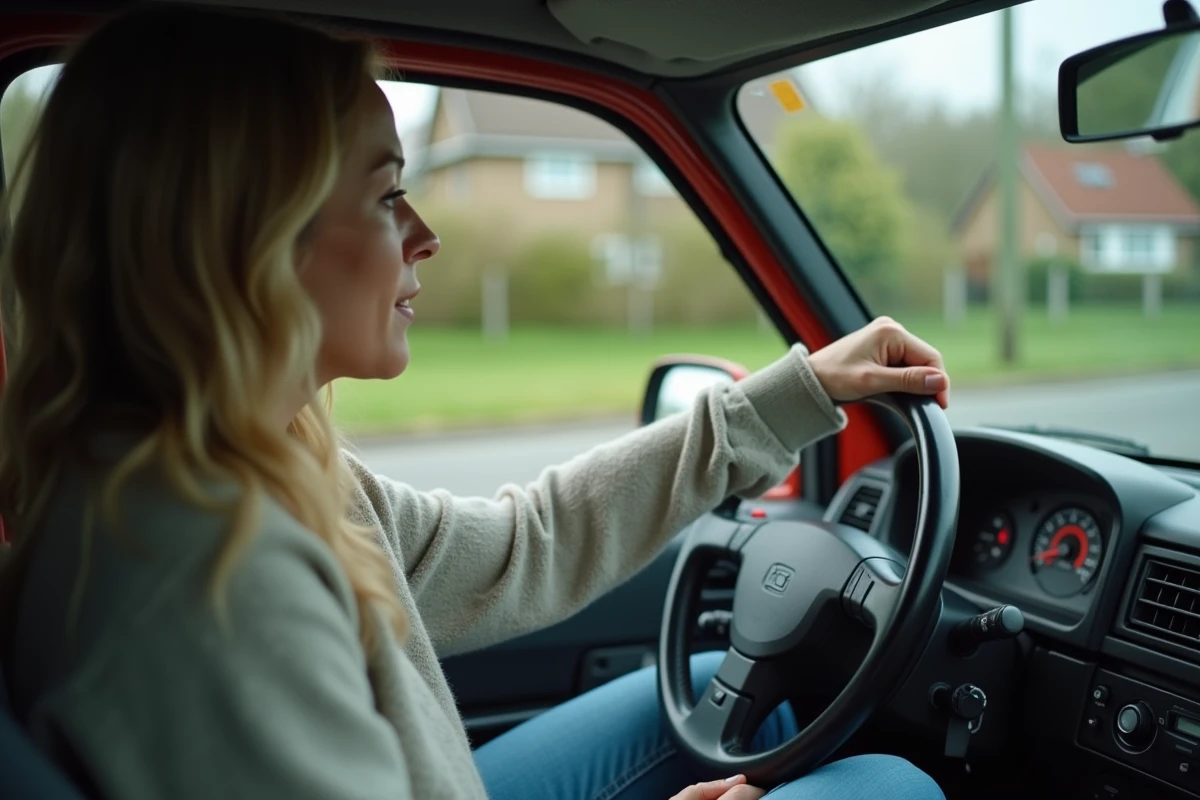
An orange light comes on, the heart beats a little faster: on the Clio 2, the fuel reserve always signals before the tank is truly empty. This signal is not a countdown to immobilization, but an alert: there are between 5 and 7 liters left, depending on the version. However, the number of kilometers that can still be driven is the subject of passionate debates, divergent estimates, and sometimes little scares on the side of the road.
What the reserve light reveals on a Renault Clio 2
When the light comes on the dashboard, there’s no need to panic. In reality, the Clio 2 has a little margin up its sleeve: between 5 and 8 liters of fuel remain in the tank, depending on the year and engine type. The total tank capacity is often around 45 to 50 liters. It is this discreet but precious reserve that saves many drivers in tense situations.
It is impossible to get a single figure on the distance that can be traveled: it all depends on driving style, the type of trips, and the overall condition of the vehicle. Some users report having driven barely 40 kilometers, while others easily flirt with the 100 km mark. And the debate arises every time a driver shares their experience, each defending their truth. Diesel engines also stand out: they typically allow for a few more kilometers on reserve than a gasoline engine.
The gauge, for its part, is not infallible. It varies according to the vehicle’s incline, temperature fluctuations, and even how the car has been parked. From one full tank to another, it is not uncommon to encounter a few surprises. Relying on the reserve, therefore, means accepting a degree of uncertainty and, above all, showing foresight. Committing to a long stretch without refueling in sight exposes one to perfectly avoidable cold sweats. The reserve is a safety net, not a strategy to repeat.
How far can you really push the Clio 2 after the signal?
As soon as the orange light appears, the real question arises: how far would you dare to go? According to testimonies, the range remains wide, between 40 and 100 km, and nothing is set in stone. This variation can be easily explained: fuel consumption depends on many factors. Speed, driving style, urban or highway routes, load on board, tire pressure, air conditioning running… Everything influences the distance you can actually cover.
To better understand and anticipate, here is an overview of the parameters that affect this autonomy:
- Adopting a smooth driving style, anticipating braking, and limiting acceleration often allows you to push the sought-after station a little further.
- Conversely, a heavy load, aggressive driving, air conditioning in use, or a full trunk significantly reduce the margin for maneuver.
- The type of fuel used also plays a role: diesel consistently offers better longevity on reserve than gasoline.
The gauge approaching the bottom of the dial becomes more unpredictable: on isolated roads, taking chances beyond reason risks an unexpected stop. An unexpected detour or a closed station can quickly complicate the situation. Caution and anticipation remain the safest allies.
For those wishing to delve deeper into this topic or obtain data from numerous users, the site offers a detailed analysis of the fuel reserve autonomy of the Clio 2.
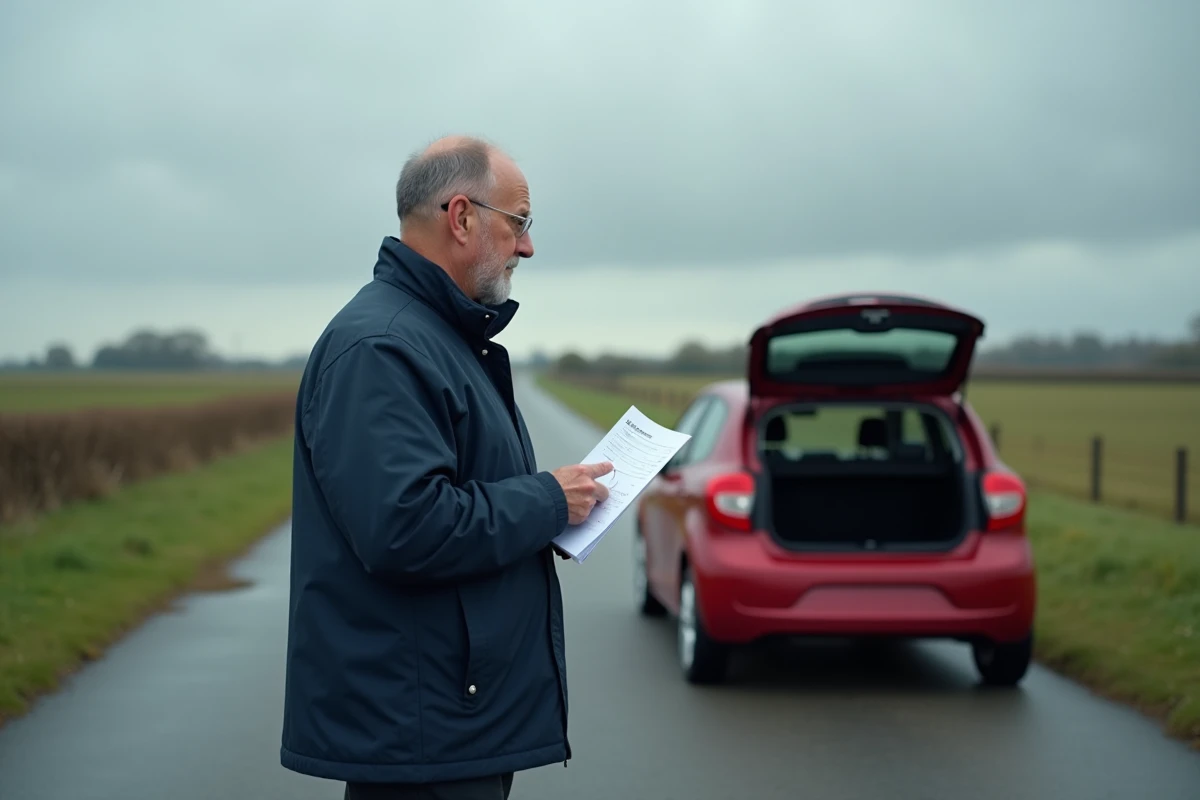
Practical tips to avoid running out of fuel and increase autonomy
The activation of the light is never trivial. Frequently driving on reserve can lead to many inconveniences: degradation of the fuel pump, fuel filter, or even complete immobilization. Running out of fuel is never pleasant, and it can permanently damage key components of the vehicle.
To stay calm once the critical level is reached, there are several simple and effective measures to implement:
- Plan your routes: check for gas stations along your way, assess the distances to be covered, and check your fuel level before each sensitive trip.
- Prioritize eco-driving: consistency, limiting sudden acceleration, and anticipation are your allies for every remaining liter.
- Keep an eye on tire pressure: under-inflated tires harm autonomy, so regular checks quickly pay off.
- Do not neglect the maintenance of the air filter and engine oil. A well-maintained engine will consume less, giving you a few extra kilometers if needed.
And if, despite these precautions, a breakdown occurs, keep a cool head: reflective vest, triangle, hazard lights, then call for assistance. A few simple actions are enough to manage these unforeseen events safely.
The reserve of a Clio 2 is a precious reprieve, not a ticket for Russian roulette. On the road, staying in control of your autonomy means refusing to succumb to the stress of running out of fuel and enjoying the journey without second thoughts.