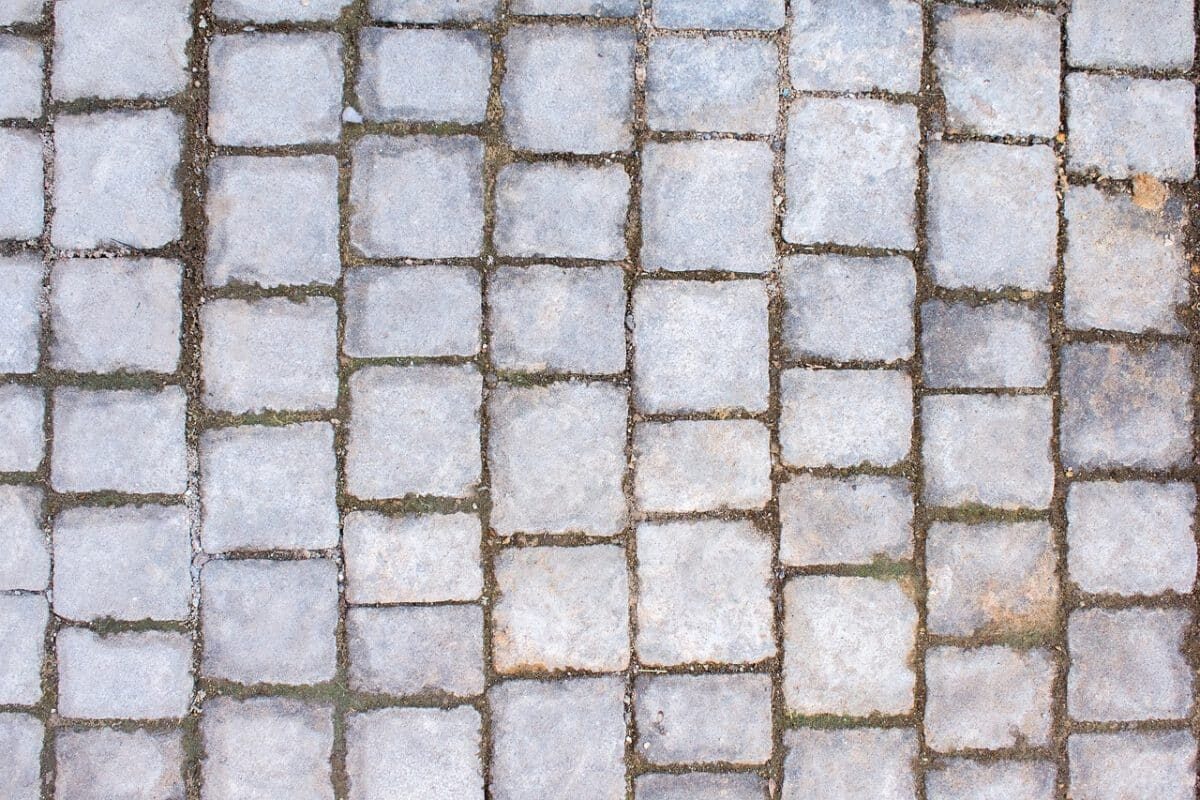
When undertaking the development of a driveable pathway, the choice of paving is a fundamental element. Not only must it support the weight of vehicles, but it must also withstand climatic variations while adding an aesthetic touch to your outdoor environment. The market offers a variety of pavers, each with its own characteristics.
The Different Types of Pavers
There is a variety of pavers suitable for driveable pathways. Each presents advantages and disadvantages depending on your specific needs and budget.
- Concrete Paver: This type of paver is very popular due to its robustness and longevity. It comes in several colors and finishes, allowing for excellent customization. Concrete pavers are also more economical than other materials.
- Natural Stone Paver: Appreciated for its authentic look and durability, natural stone pavers offer unmatched aesthetics. Stones like granite, sandstone, or limestone are often used, each having distinct properties in terms of resistance and maintenance.
- Terracotta Paver: This choice is ideal for those seeking a rustic and warm appearance. Terracotta is less common for driveable pathways due to its relative fragility compared to concrete or stone.
Essential Selection Criteria
Several criteria must be considered when choosing the ideal paver for your driveable pathway, ensuring both durability and visual appeal.
- Resistance and Durability: Pavers must withstand the heavy loads of vehicles and weather conditions. Resistance is therefore a primary criterion. Concrete and natural stone are often the best choices in terms of robustness.
- Aesthetics and Style: Your pathway should harmonize with the rest of your property. Depending on the style of your house and garden, some pavers will suit better than others. Natural stone pavers, for example, pair well with traditional homes, while concrete can adapt to more modern styles.
- Maintenance: The level of maintenance required varies depending on the type of paver. A concrete paver will require less care than a terracotta or natural stone paver, which may be more susceptible to moss and dirt.
Paver Installation
The installation of pavers is a crucial step to ensure their durability and aesthetics. Following proper installation practices is essential.
- Soil Preparation: Well-prepared soil ensures the stability of your pathway. It is important to dig deep enough to include a drainage sub-layer.
- Sub-layer Installation: A sub-layer of gravel or compacted sand allows for water drainage and prevents soil movement.
- Paver Positioning: Pavers should be laid carefully, respecting levels to avoid water puddles. Use a rubber mallet for adjustments.
- Jointing: Fill the joints with polymer sand or any other appropriate material to ensure a solid fixation.
Cost Comparison
The cost of pavers can vary significantly depending on the material chosen and the specifics of your project. Here are some guidelines to help you.
Concrete pavers are generally the least expensive. Their price varies depending on quality and finish, but they remain affordable for most budgets. In contrast, natural stone pavers such as granite or sandstone can be quite costly. Their price is justified by their durability and timeless beauty. Finally, terracotta pavers fall into the mid-range category but require more vigilant maintenance, which can increase long-term costs.
To choose the ideal paver for your driveable pathway, it is necessary to understand the characteristics of each type of paver, as well as their advantages and disadvantages. The different materials such as concrete, natural stone, and terracotta offer varied solutions in terms of resistance, aesthetics, and cost. Proper installation of the pavers not only ensures the longevity of your pathway but also its beauty. Good preparation and a wise choice of materials will allow you to create a pathway that is both durable and attractive.