
How can we measure students’ mental health when France has no indicators specifically designed to assess children’s well-being? Between recent surveys that add nuance to alarmist narratives about teenagers, violence in primary schools that remains poorly documented, and ministerial announcements whose impact has yet to be assessed, the intersection of health and education presents a mixed picture that deserves careful scrutiny.
Measuring student well-being in France: a statistical blind spot
Most European countries have organizations or specific indicators to assess children’s happiness. France has neither. This finding, reported by Sud Ouest in October 2026, puts the country in a unique position: people are debating young people’s mental health without a stable measurement framework.
Research initiatives do exist, such as the Enabee survey and France’s participation in the Children’s Worlds Survey. Their scope remains limited by the lack of longitudinal monitoring led by a permanent organization. Without data that can be compared from one year to the next, the gap between media perceptions and statistical reality persists.
Several reports in Santéducation’s news coverage revisit the challenge of objectively assessing students’ well-being, drawing on both institutional sources and field research.
Adolescent mental health: recent data paint a more nuanced picture
The prevailing narrative links adolescence with declining mental health. Recent data paint a more mixed picture: young people’s circumstances vary by age group and region.
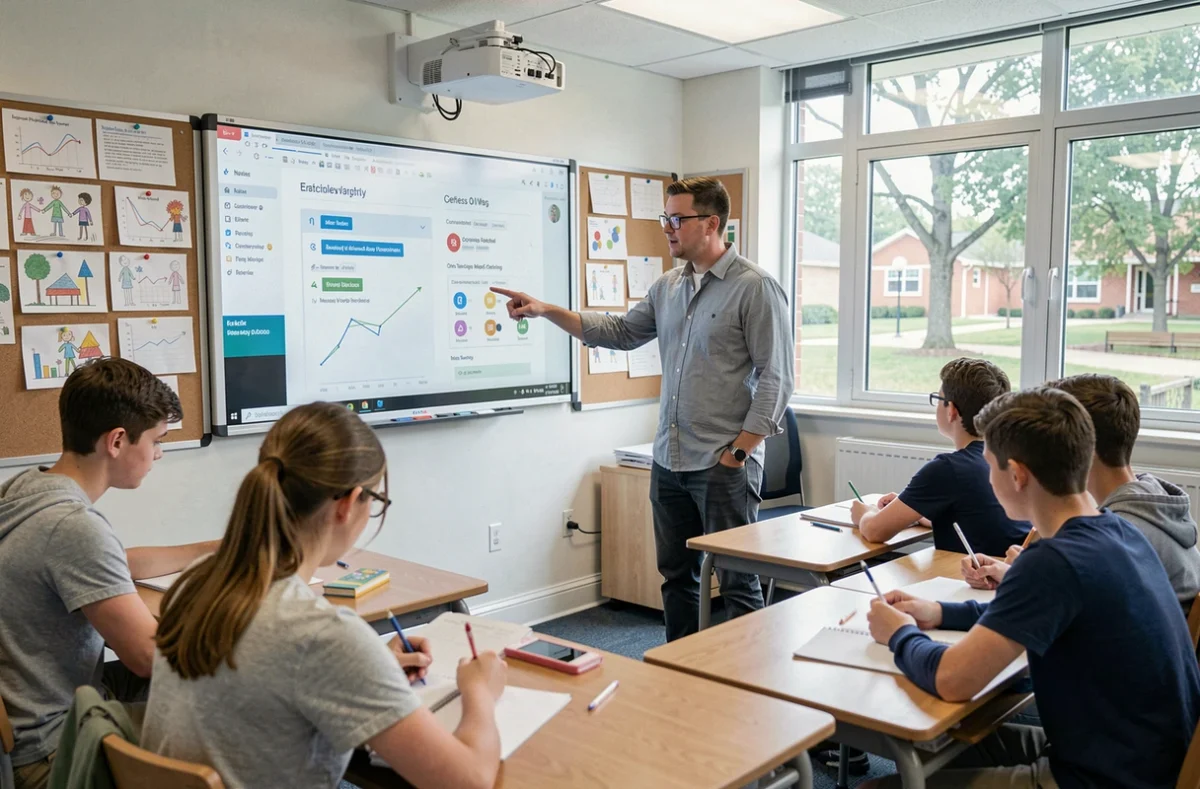
A survey conducted jointly by UNESCO and the Ministry of National Education among more than 1,500 people (students, families and staff) confirms that children spend around 40% of their waking hours at school. School is therefore a direct determinant of their health, not just a place of learning.
| Indicator | What the UNESCO/MEN survey shows | What France lacks |
|---|---|---|
| Time spent at school | About 40% of children’s waking hours | No standardized annual monitoring of school well-being |
| Survey population | More than 1,500 people (students, families and staff) | No organization dedicated to children’s happiness |
| Existing measurement tools | Enabee, Children’s Worlds Survey | No lasting, specific national indicators |
| Announced policy response | Strengthening teams and improving access to psychological support | Implementation has not yet been evaluated |
This table highlights a disconnect: findings are accumulating, but the measurement and monitoring framework remains fragmented.
Violence in primary schools: a health issue beyond bullying
School bullying attracts media attention. Findings published by DEPP (the Directorate for Evaluation, Forecasting and Performance) shift the focus: younger students are more likely to experience violence than older students, according to the survey referenced on the Ministry of National Education’s website.
This finding challenges the usual perspective. Prevention programs primarily target middle and high schools. Primary schools, where children may not yet have the words to describe what they are experiencing, have fewer resources to address the issue.
- Violence in primary schools includes physical assaults, social exclusion and repeated verbal abuse—not just bullying between peers.
- Identification relies heavily on teachers, whose training in recognizing signs of distress varies from one school district to another.
- The DEPP survey highlights how the nature of violence differs by age, calling for tailored responses rather than a one-size-fits-all protocol.
Treating school violence as a public health issue, rather than solely a disciplinary matter, changes priorities: having health and social care professionals in schools becomes a direct means of addressing it.
Ministerial announcements and on-the-ground realities: a gap to watch
Following consultations with high school students, the ministry announced proposals addressing academic workload, the organization of the school day and improved access to psychological support.
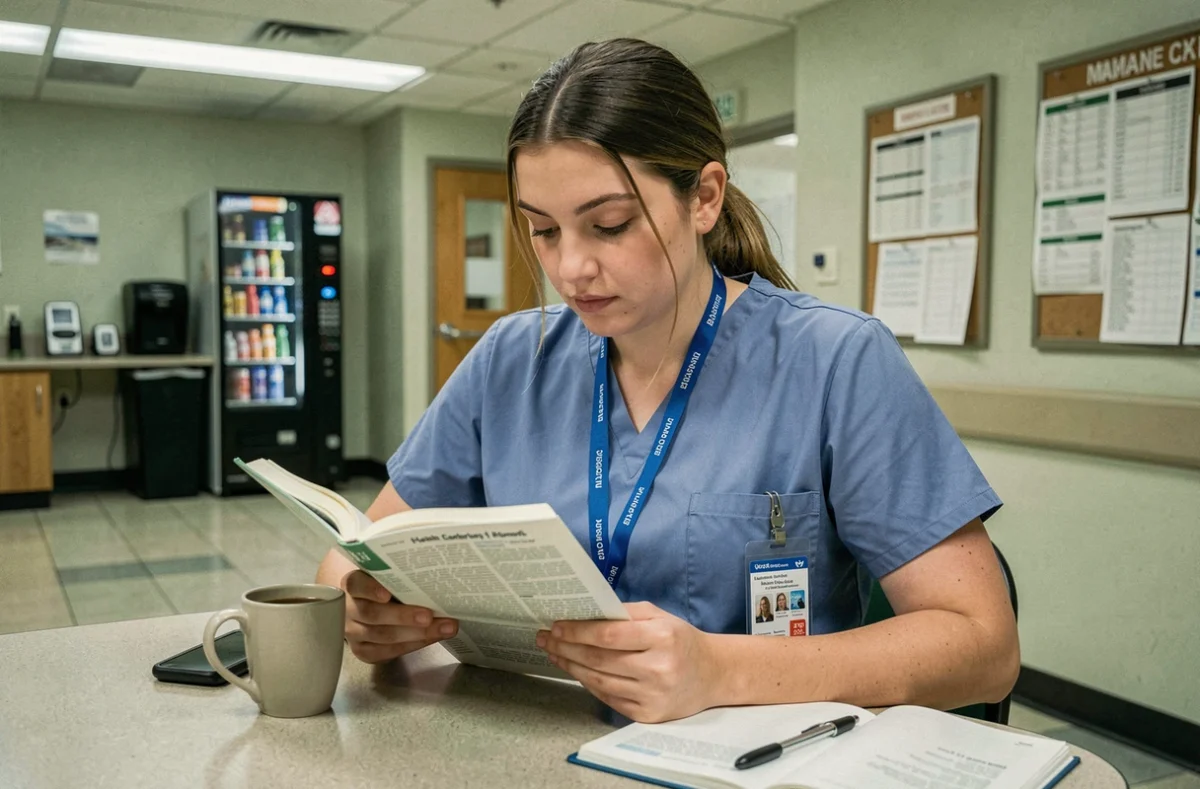
These announcements respond to a documented need. However, Radio France has highlighted current difficulties with the availability and presence of health and social care professionals in middle and high schools. The gap between recruitment announcements and day-to-day access to support remains the key concern.
The practical impact of budget commitments will become clearer in the coming months, when the first figures on school health staff numbers are available.
UNESCO says a guide to mental health and psychosocial support in schools is being developed. Its usefulness will depend on whether it is actually distributed to schools and whether teams can put it into practice—neither of which can be taken for granted in a French education system marked by significant regional disparities.
The next clear milestone will be the publication of consolidated results from the Enabee survey and their comparison with budget commitments. Without lasting monitoring indicators, announcements will remain intentions, and debate about student health will continue to rely on fragmented data.