Medical statistics indicate a marked increase in consultations for stress and anxiety-related disorders, while the pharmaceutical offering continues to dominate the wellness market. However, the World Health Organization officially recognizes certain alternative practices to complement care.
The use of natural extracts has been the subject of clinical studies for several decades, with sometimes surprising results on the management of daily discomforts. Safety protocols and precise dosages remain unknown to the general public, despite the growing popularity of natural solutions.
Aromatherapy, a natural approach to self-care
Taking care of oneself is no longer just about stacking boxes of medications on the shelf. Aromatherapy is now emerging as a credible path, combining tradition and innovation. This discipline relies on the use of essential oils, extracted from aromatic plants, to support both body and mind. Its history dates back to the early 20th century when French chemist René-Maurice Gattefossé became interested in the virtues of these natural extracts after burning his hand and observing the healing effects of lavender. Since then, the range of uses has expanded, and each essential oil offers a specific profile depending on the plant of origin, extraction method, and biochemical composition.
However, it would be reductive to see aromatherapy as merely a matter of ambiance fragrance. It is practiced through precise gestures: inhaling a few drops directly, massaging a targeted area after dilution in a carrier oil, or adding a few drops to bathwater. The fields of action are broad: assisting in stress management, helping to regain peaceful sleep, supporting concentration, or soothing certain physical discomforts. Clinical research confirms, for example, the relaxing effect of lavender or the ability of peppermint to enhance alertness.
The issue of quality is not a detail. Choosing an organic essential oil ensures the absence of chemical residues and preserves the therapeutic potential of the product. Traceability should be a reflex for those who want to go further. To deepen the knowledge of plants and natural extracts, there are specialized resources, such as learn more about L’Esprit Nature, which offers a passionate look at the plant world and its practical applications.
Which essential oils to choose and how to use them safely?
Choosing essential oils requires attention and method. Among the essentials, true lavender calms, peppermint boosts concentration, while tea tree impresses with its purifying abilities. Each oil has its specificity, the result of careful steam distillation, aimed at preserving the richness of the active molecules derived from aromatic plants.
The selection of an essential oil should not be left to chance: opt for a bio version, pure, without additives, from a traceable supply chain. Read the label: it should indicate the Latin name, the part of the plant used, and the extraction technique. This information is your best ally to avoid unpleasant surprises and enjoy real benefits.
Modes of use and precautions
Here are the main uses of essential oils and the precautions to observe:
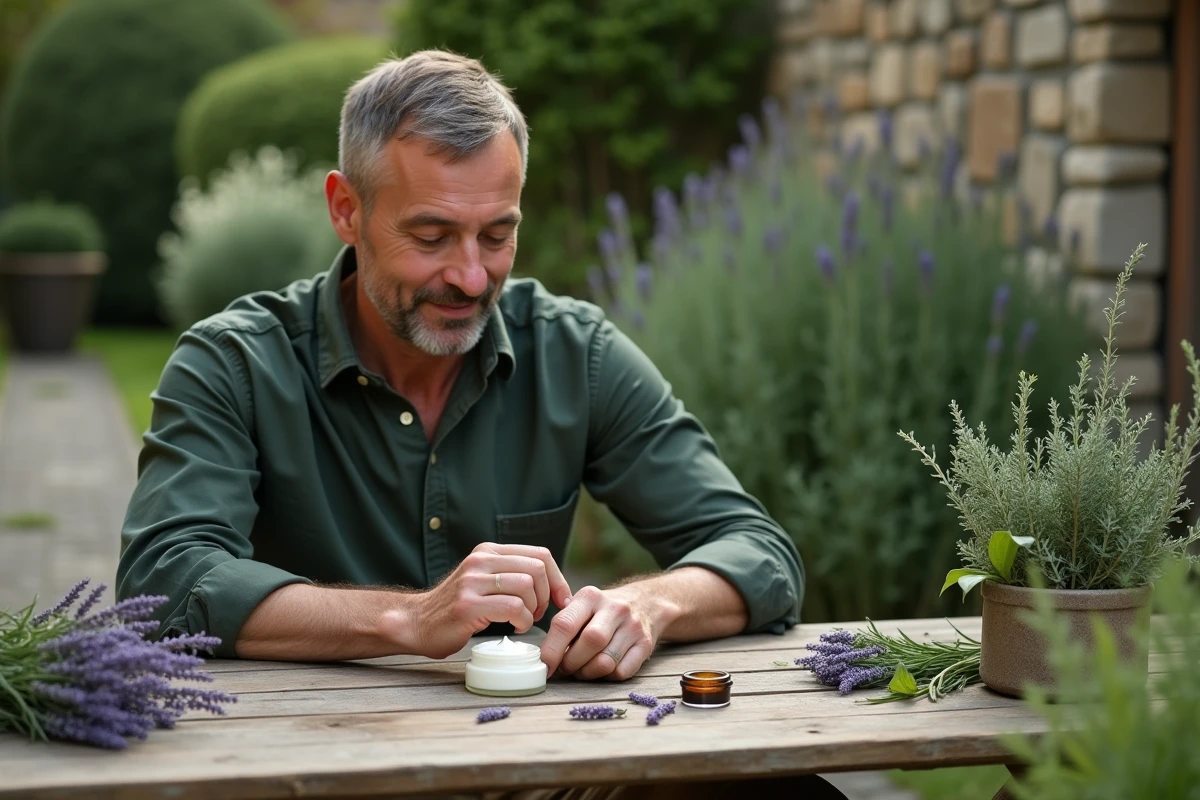
- Topical application: always dilute the essential oil in a carrier oil, such as sweet almond or apricot kernel oil, to limit any risk of irritation. Two or three drops are sufficient on the targeted area.
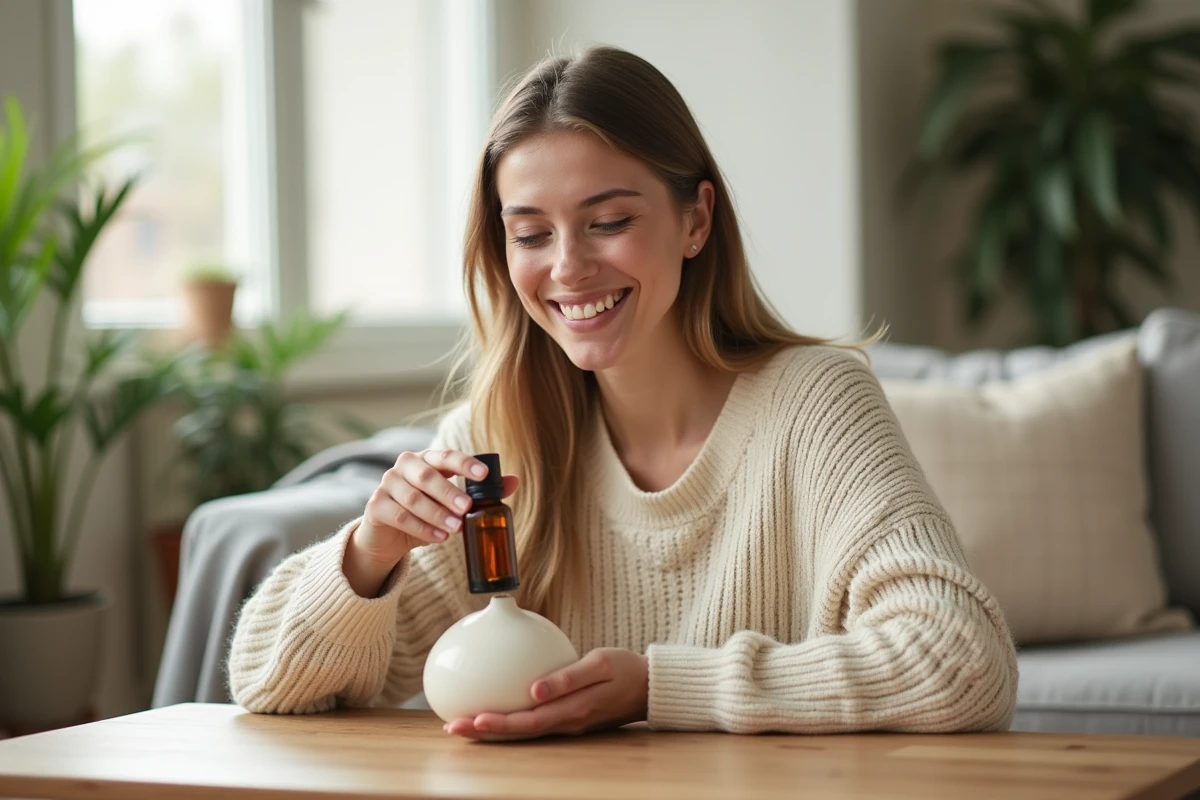
- Inhalation: add a few drops to a bowl of hot water or use an electric diffuser for a respiratory and relaxing effect. Dry inhalation (on a tissue) is a quick and practical alternative.
- Oral route: this use is intended for trained individuals, with the dose needing to be strictly respected (for example, one drop on sugar or in honey). Some oils should be avoided or require the advice of a healthcare professional.
Reasoned use is essential: essential oils are not suitable for young children, pregnant women, or individuals with chronic conditions without the advice of a specialist. Adhering to dosage, being vigilant about interactions, and exercising caution regarding the source are crucial to enjoying their benefits without risk.
Concrete benefits for body and mind, validated by science
Scientific research is closely examining aromatherapy and its applications. Several recent studies show that certain essential oils can help reduce stress or improve sleep quality. In the Journal of Alternative and Complementary Medicine, for example, there is a study highlighting the effectiveness of true lavender in promoting sleep onset, thus confirming practices observed for generations. Other studies point to the effects of peppermint on muscle and joint pain: used in massage with a carrier oil, it facilitates recovery after exertion.
The positive effects do not stop at the physical level. Emotionally, inhaling certain oils, such as bergamot, can positively influence mood and help better manage daily tensions. Many practitioners in integrative health observe this during their consultations, particularly among individuals seeking natural solutions to alleviate anxiety.
Depending on needs, different essential oils are frequently recommended:
- Essential oils for stress: lavender, bitter orange leaf
- For muscle pain: wintergreen, lemon eucalyptus
- For concentration: peppermint, rosemary with cineole
The effectiveness of essential oils relies on selecting suitable products and thoughtful use. Some choose to complement their routine with plant-based dietary supplements or essential oils, always under the supervision of a professional. This approach is increasingly appealing to those keen on balancing physical health and mental well-being without sacrificing caution.
When science confirms what popular wisdom has long sensed, it is hard to ignore the potential of essential oils. And if tomorrow, well-being were cultivated first in a bottle of natural extracts, rather than at the bottom of a box of pills?