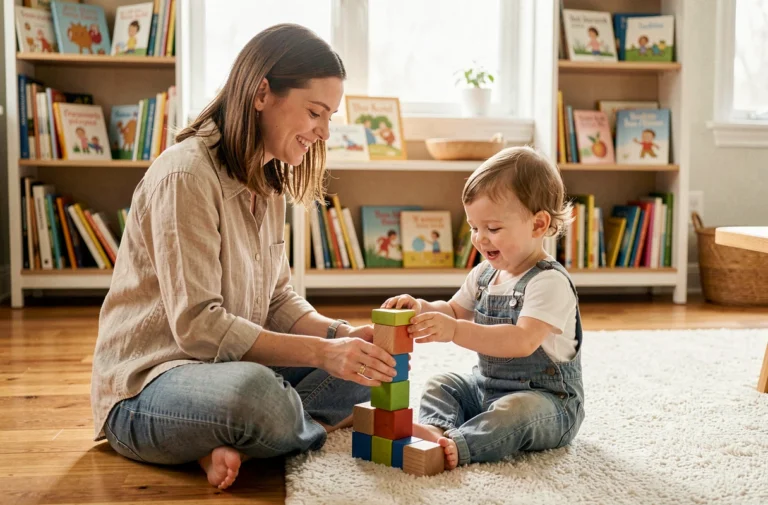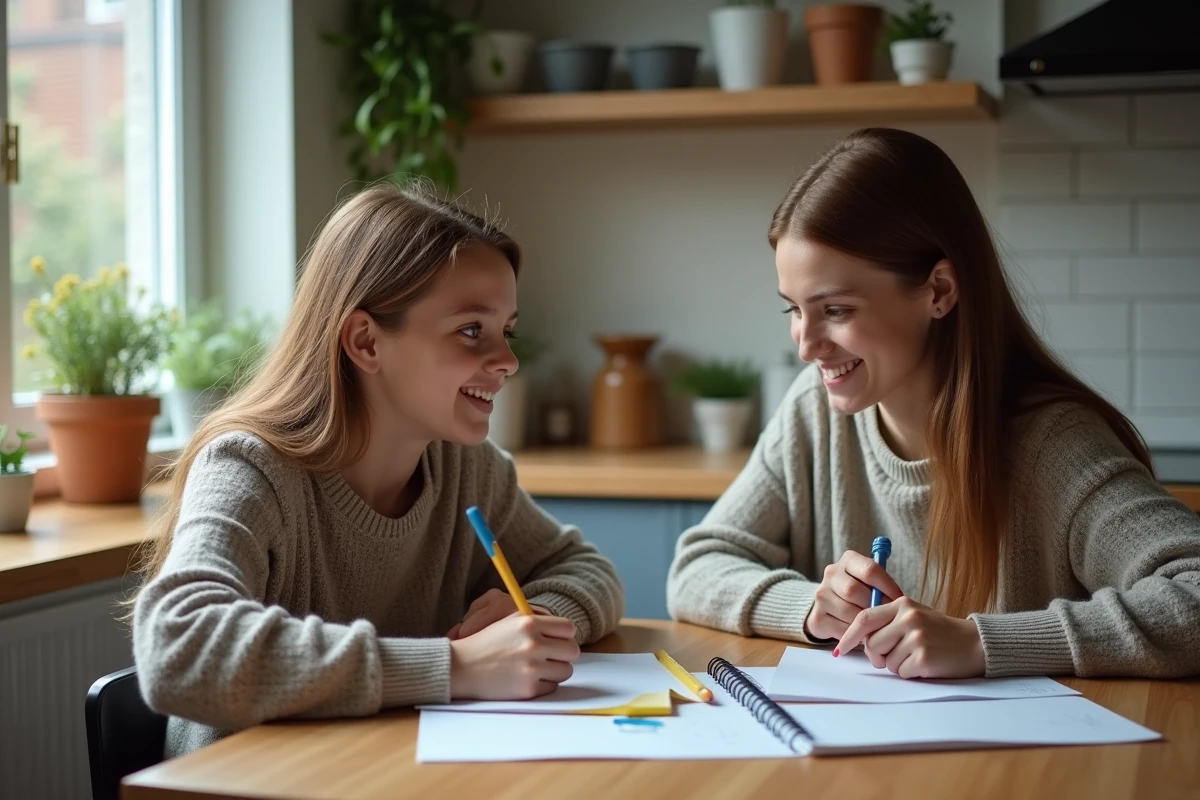
The intergenerational link no longer follows the patterns of the past. In many households, grandparents today take on responsibilities that sometimes fall under direct parenting, due to societal, economic, or family upheavals.
Some families even choose to involve these elders more in education, while others prioritize complete autonomy for parents. The diversity of family configurations disrupts traditional markers and redistributes roles across multiple generations.
Why has the role of grandparents changed so much in the modern family?
It is difficult to recognize in today’s family the fixed portrait of the past. Roles are being redefined, and the ties between generations are woven differently. The frantic pace of work, geographical mobility, and new life models force parents to reinvent their balances. Grandparents, long discreet, now take center stage, blending concrete support and emotional presence in daily life.
The sharing of responsibilities is becoming more flexible and open. Where once elders remained in the background, they are now actively engaged: accompanying children to school, lending a hand in tough times, passing down a lifetime of experience. This movement is part of a society where each generation seeks its place, where family solidarity is constantly built and rebuilt.
Discover Maman Chic in detail offers an in-depth look at this new balance, at how extended families adapt and invent their own rules. Expectations evolve, family dynamics too, but the need for connection and support transcends the ages. Between parents and grandparents, it is no longer about fixed boundaries, but about a lively dialogue, tinged with personal choices and collective constraints.
Multiple roles: between emotional pillars, daily support, and memory keepers
Within contemporary families, everyone wears multiple hats. Parents do not just educate: they are emotional anchors, points of reference, those who listen, reassure, and encourage. Their attention shapes the inner security of children and fosters the emergence of moments of intimacy, so precious for nurturing family bonds.
Transmission no longer stops at authority or respect for rules. It relies on the construction of values: tolerance, autonomy, open-mindedness. Adults are fully engaged in their children’s daily lives, accompanying them at every stage, from first steps to later life choices. This involvement creates a collective dynamic, where everyone, children and adults alike, finds their place and participates in the shared story.
Here, in concrete terms, is how these multiple roles manifest day to day:
- Daily support: presence during homework, accompaniment in activities, managing emotions and unforeseen events.
- Memory keepers: telling family stories, sharing lived experiences, passing down traditions and cultural heritage.
- Unconditional love: offering encouragement, valuing efforts, remaining present even in difficult times.
Being a parent today means fully investing, staying attentive, but also adapting to constantly evolving educational challenges. Family memory, carried by daily stories and gestures, serves as a common thread that connects generations, nourishes each individual’s identity, and paves the way for the children of tomorrow.
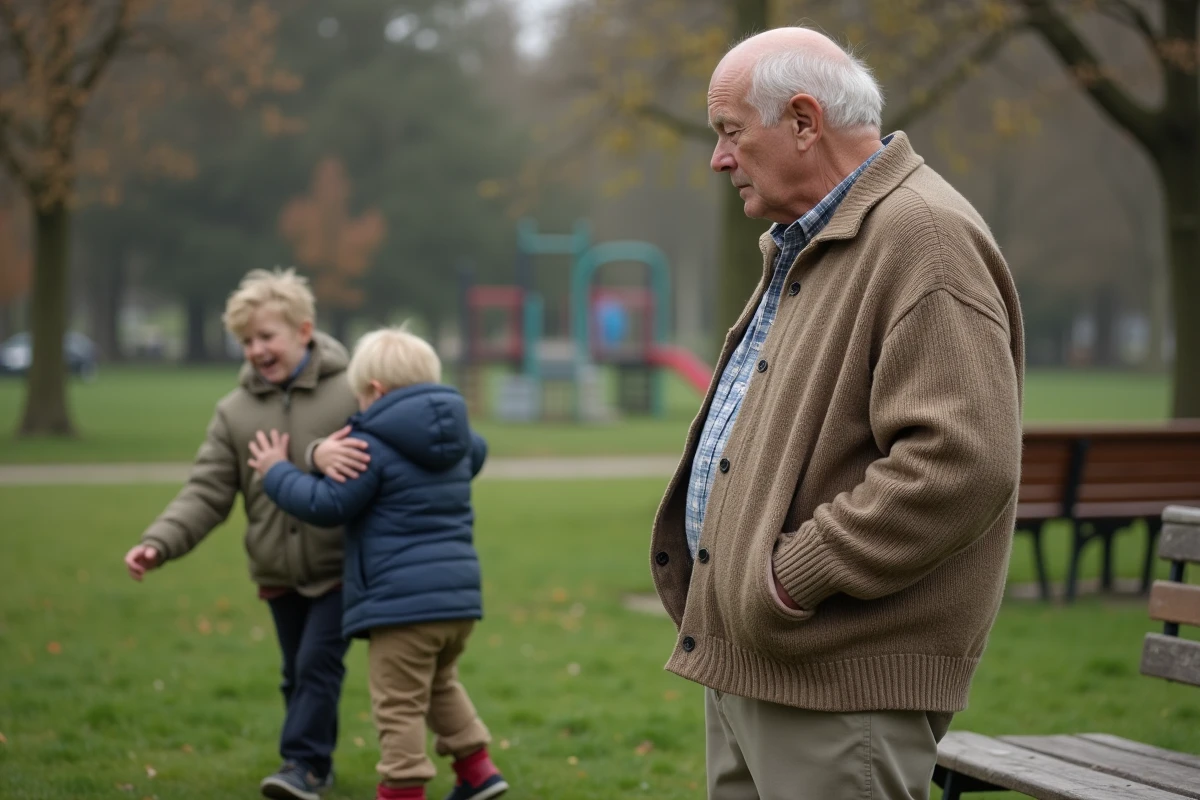
And you, how do you experience the relationship between generations today?
The parent-child relationship is no longer one-sided. There is a constant exchange, where young people question, test, and sometimes challenge family legacies. Parents, on their part, try to find the right stance: to encourage, but also to leave space for everyone to express themselves and grow.
In many households, family life is reinvented every day around the table, during discussions, through small and large events. Today’s parents seek to understand what drives, worries, or excites their children, while sharing their own questions. This balance, always precarious, requires listening, availability, and sometimes the clarity to recognize that one does not have all the answers.
Here are some guidelines to nourish this intergenerational exchange:
- Support without overwhelming: encourage children’s initiatives without imposing a ready-made model.
- Build a living bond: prioritize dialogue, remain open to questions, listen without judgment, and trust.
- Intergenerational sharing: welcome the diversity of viewpoints and encourage the exchange of each person’s experiences.
Each family carves its own path between tradition and innovation. The parent-child bond evolves over time, shaped by trials, successes, and explorations. Parenthood today resembles a permanent experimental ground, where one advances tentatively, adjusts, and builds, generation after generation, a unique way of living together. In this living project, everyone, young or old, learns to grow with one another.