The loss of moisture during reheating is due to a simple mechanism: beyond a certain internal temperature, myofibrillar proteins contract a second time and expel the residual juice trapped between the fibers. Reheating already cooked meat therefore involves managing a reduced thermal margin, the one that separates the serving temperature from the over-contraction zone. Here, we discuss the technical levers that preserve this margin.
Intramuscular fat and reheating tolerance
Not all cuts react the same way to a second exposure to heat. The discriminating factor is the intramuscular fat content, which acts as a lubricant between the fibers and delays the sensation of dryness in the mouth.
A marbled cut (shoulder, chuck, breast) tolerates longer reheating and higher temperatures than a fillet or chicken breast. The fat gradually melts and partially compensates for the lost water. Conversely, a lean meat that has already been cooked to perfection can only withstand gentle and brief reheating.
We recommend adapting the method to the type of cut rather than applying a one-size-fits-all protocol. The most common mistake is treating leftover veal roast exactly like leftover braised beef cheek, when their thermal behaviors are opposite. To delve deeper into this topic, you can discover how to reheat already cooked meat on Double Portion with protocols tailored to each cut.
Protective fatty film: a barrier against evaporation
Before any reheating, applying a thin fatty coating on the surface of the meat is the most underestimated gesture. A layer of clarified butter, neutral oil, or even duck fat creates a physical barrier that slows down surface evaporation.
This fatty film acts differently from adding liquid (broth, juice). Broth compensates for lost moisture through an external supply, while fat prevents internal moisture from escaping. Both approaches are complementary, not interchangeable.
On sliced white meats (chicken, turkey, pork roast), the fatty coating is particularly effective. The exposed surface is significant compared to the volume, which accelerates dehydration. A thin layer of fat brushed on before reheating radically changes the final texture.
Low-temperature oven reheating: the protocol for lean meats
The oven set between 100 and 130 °C remains the most reliable method for lean cuts and whole roasts. The slow temperature rise limits fiber contraction and allows the juices to redistribute within the cut.
Here are the checkpoints to follow:
- Take the meat out of the refrigerator early enough so that it is no longer icy in the center, which reduces the exposure time to heat
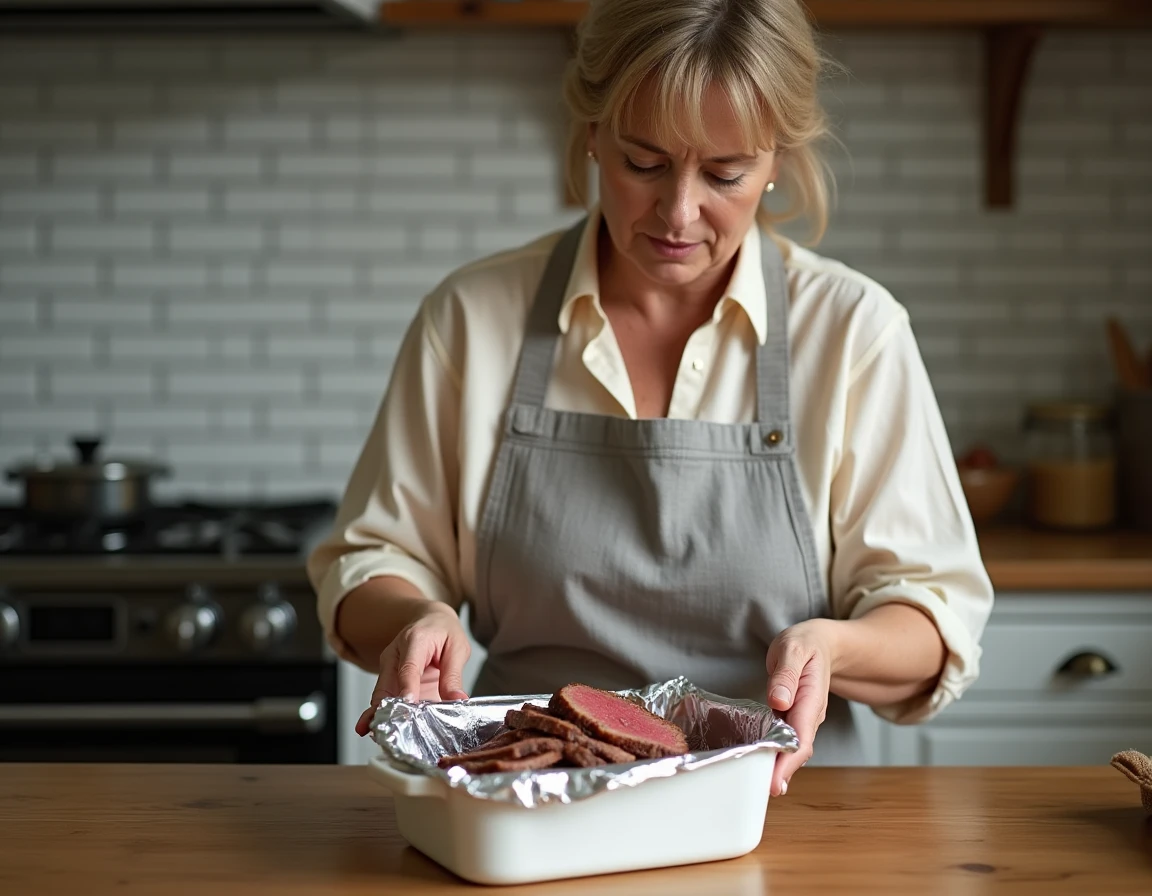
- Place the cut in a covered dish or under aluminum foil with a base of liquid (broth, veal stock, or simply water) to maintain a high humidity level in the enclosure
- Aim for a serving internal temperature without exceeding it, checking with a probe if possible
- Remove the meat as soon as the center reaches the desired temperature, without waiting for an arbitrary fixed time
The reheating time varies according to the thickness of the cut and its starting temperature. A thinly sliced fillet will reach temperature in a few minutes, while a whole roast may take much longer. The thermal probe eliminates guesswork.
Microwave and skillet: when and how to use them
The microwave has a bad reputation for reheating meat, and this reputation is largely deserved. The waves heat unevenly and cause localized overheating zones that dry out the meat in places.
If you have no other option, reduce the power to half of the maximum and proceed with short cycles, turning the cut between each cycle. Cover the dish with suitable film or a damp lid to trap the steam.
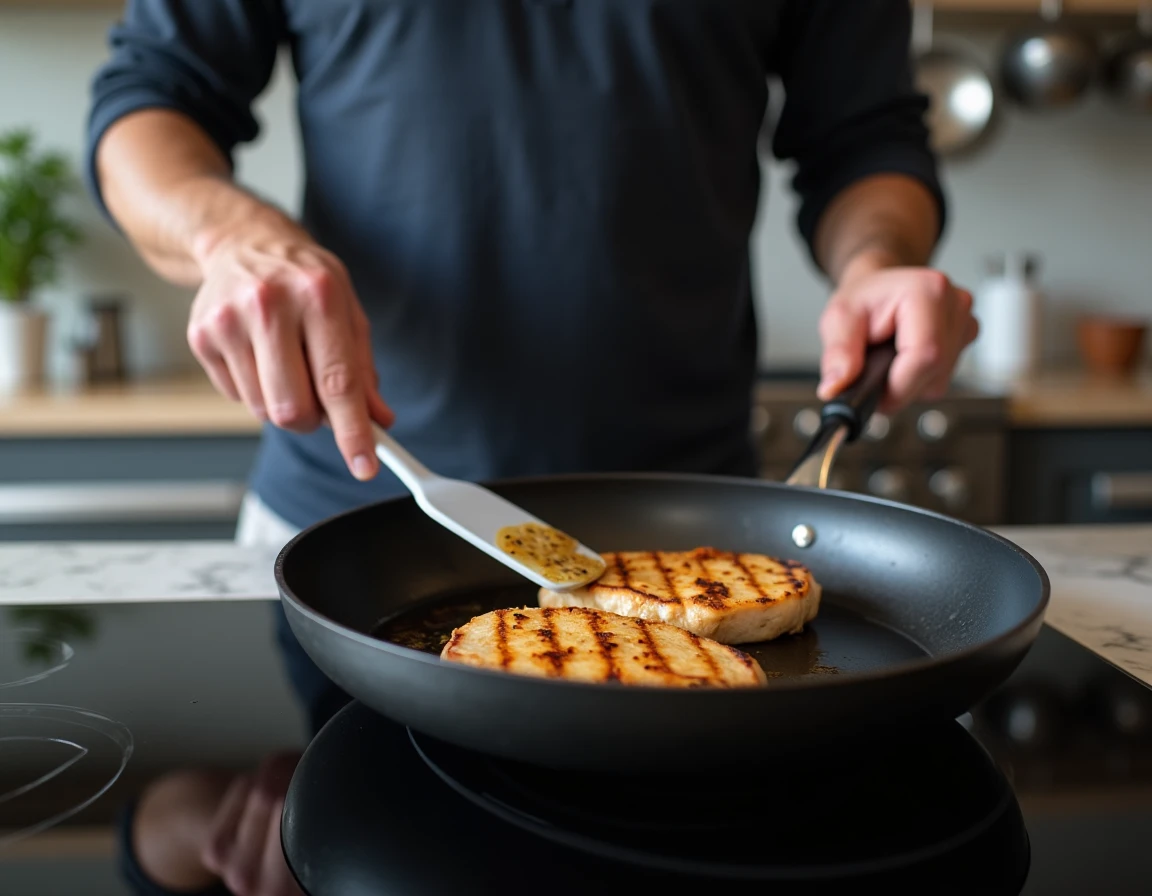
The skillet is suitable for thinly sliced pieces and fatty meats that can tolerate quick searing. The principle: hot fat, brief passage on each side, then immediate removal. The goal is not to cook again, but to bring the surface to a pleasant temperature. For a steak from the day before, some actually prefer to consume it at room temperature rather than risk overcooking.
Steaming and sous-vide reheating methods
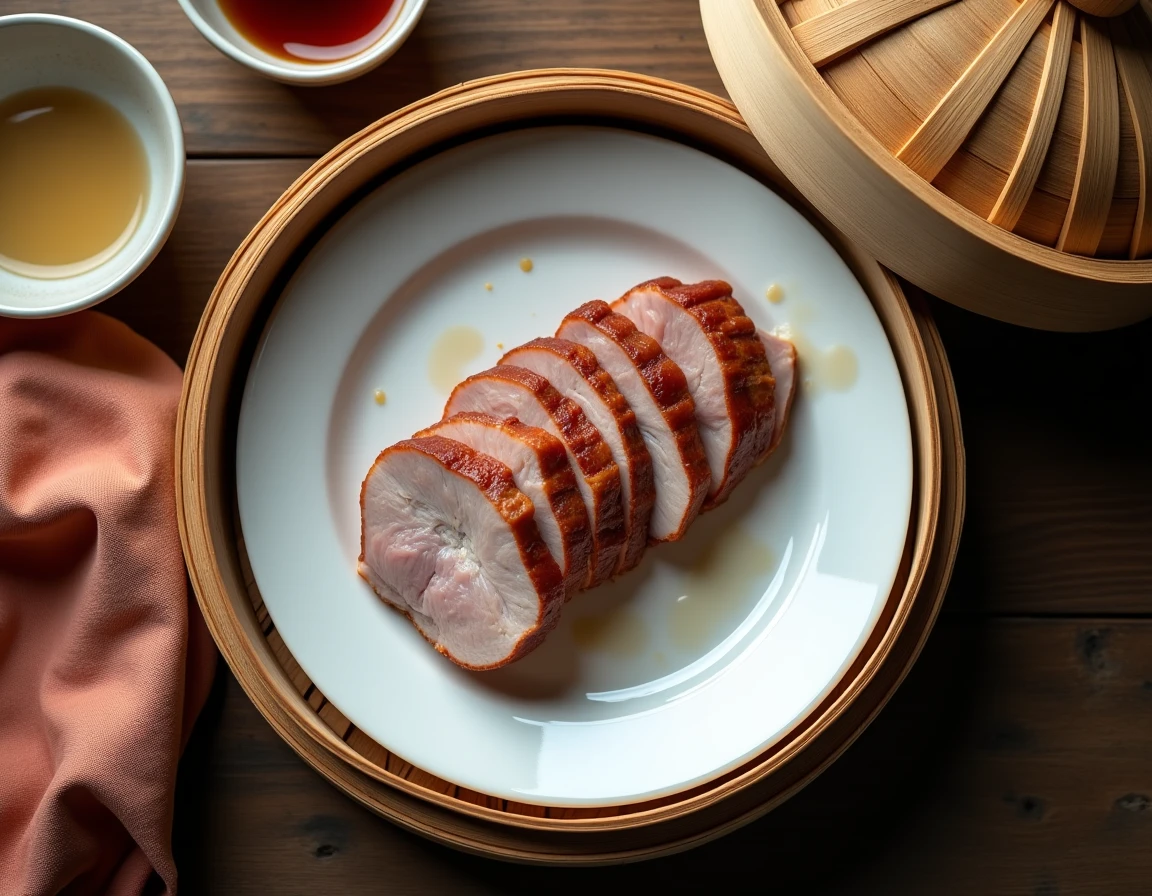
Steam provides a moisture-saturated environment that mechanically prevents surface drying. A steam basket over a pot of simmering water is perfect for thin slices of white meat or boneless chicken pieces.
The sous-vide method is the most precise for reheating. Place the meat in a sealed bag, immerse it in a warm water bath (not boiling), and maintain a stable temperature. The bag prevents any moisture loss and the gentle heat penetrates evenly. Without specialized equipment, a simple well-sealed freezer bag in a pot of hot water already yields results significantly better than the microwave.
Single cycle rule and storage before reheating
A often overlooked point: cooked meat should only be reheated once. Each cycle of cooling and then reheating causes further contraction of the fibers and additional juice expulsion. Beyond drying out, the hot-cold alternations multiply the risks of bacterial growth.
The quality of reheating is also determined upstream, during storage:
- Refrigerate the meat quickly after the meal, without letting it cool slowly in the open air
- Keep whole pieces rather than sliced to limit the evaporation surface in the refrigerator
- Store the meat in its cooking juice if possible, which partially rehydrates it during resting in the cold
The best strategy is to only reheat the amount needed for the meal, leaving the rest cold in its juice. Each portion is taken out only once, and the result in the mouth remains acceptable even after two days of refrigeration, provided that the reheating protocol respects the nature of the cut and its fat content.