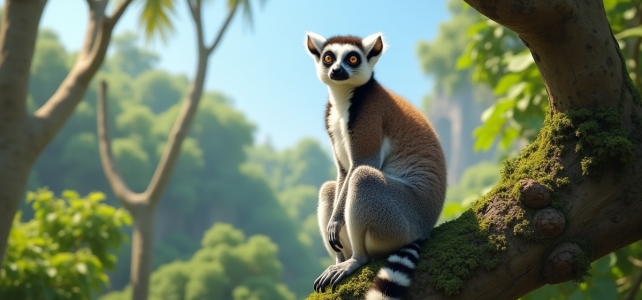
Madagascar, often referred to as the red island due to its lateritic soils, is home to exceptional biodiversity. Isolated from the African continent for about 88 million years, it has developed a unique fauna, with 90% of species being endemic. From mischievous lemurs to vibrantly colored chameleons, every corner of this island holds fascinating surprises.
This biological wealth is, however, threatened by deforestation and climate change. The tropical forests, which are refuges for many species, are disappearing at an alarming rate. Protecting this natural treasure has become urgent for scientists and nature lovers.
The Varied Ecosystems of Madagascar
Madagascar is an island with many faces. Its varied ecosystems range from the humid tropical forests of the east to the arid savannas of the west, passing through the central highlands. Each region is home to particular fauna, adapted to specific environmental conditions.
Tropical Forests and Mangroves
The eastern tropical forests, the island’s true green lungs, are critical habitats for species like the indri, the largest of the lemurs. These forests, rich in biodiversity, are also home to chameleons, snakes, and rare birds. The coastal mangroves, on the other hand, are breeding grounds for many fish and crustaceans, as well as sanctuaries for migratory birds.
Arid Regions and Steppes
The arid regions of the southwest contrast sharply with the humid forests. Here, succulent plants and baobabs dominate the landscape. Lemurs, such as sifakas and makis, move gracefully among these spiny trees. The steppe areas, meanwhile, host more elusive species, such as tenrecs and the fosa, formidable predators.
Highlands and Wetlands
The central highlands present a mosaic of mountain forests and grasslands. This is where endemic species such as the ring-tailed lemur and the crested ibis live. Wetlands, like lakes and marshes, are vital ecosystems. It is in these environments that surprising discoveries have occurred, such as the presence of hippos in Madagascar, an enchanting fauna whose traces date back centuries.
- Tropical Forests: indris, chameleons
- Arid Regions: baobabs, sifakas
- Highlands: ring-tailed lemurs, crested ibises
The richness of Madagascar’s ecosystems is an inexhaustible source of scientific discoveries and an invitation to preserve these unique environments.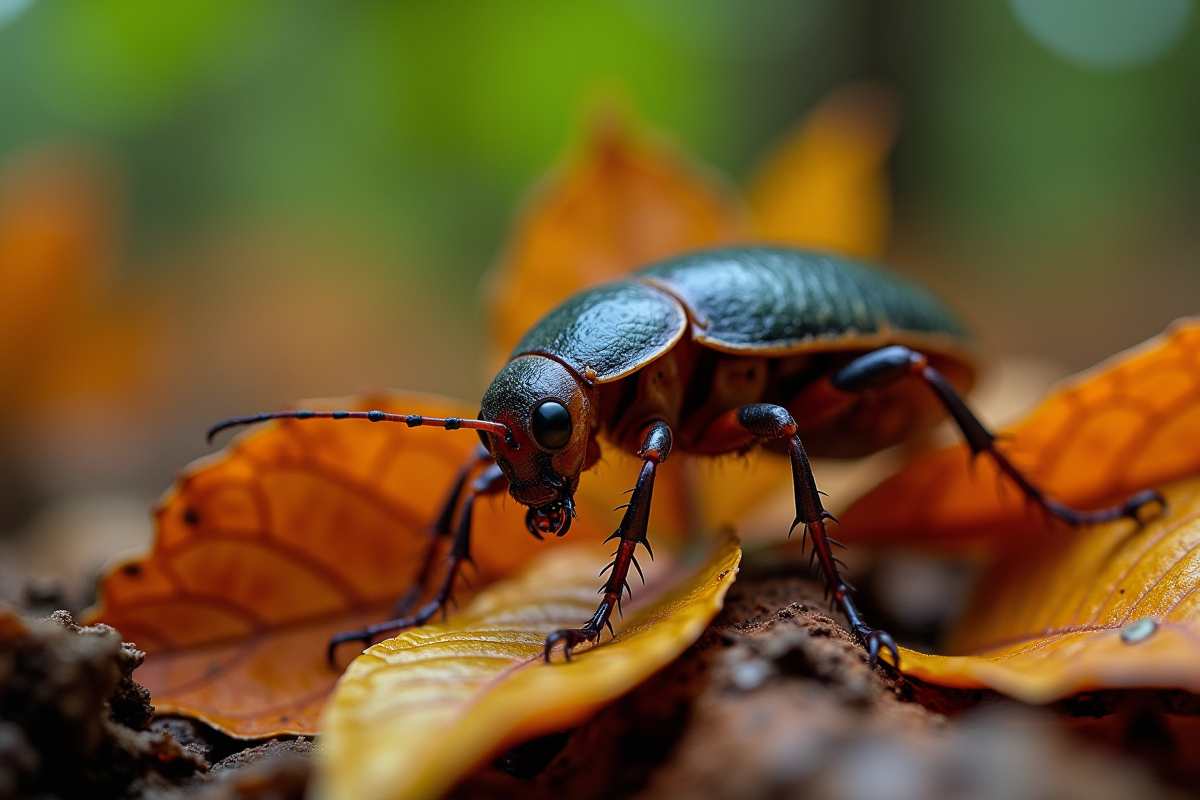
Endemic Species and Their Importance
The wildlife of Madagascar is of unparalleled richness, largely due to its geographical isolation. About 90% of Madagascar’s fauna is endemic, meaning these species are found nowhere else in the world. This phenomenon is particularly evident among lemurs, reptiles, and amphibians.
Lemurs: Symbols of Madagascar
Lemurs are undoubtedly the most famous ambassadors of Madagascar’s biodiversity. There are over 100 species and subspecies, all endemic to the island. Among them is the ring-tailed lemur with its iconic striped tail, and the aye-aye, a rare and mysterious nocturnal creature. These primates play a fundamental role in pollination and seed dispersal, thus contributing to the health of forest ecosystems.
Reptiles and Amphibians: Remarkable Diversity
The reptiles and amphibians of Madagascar are equally fascinating. The Parson’s chameleon, the largest chameleon in the world, and the leaf-tailed geckos master the art of camouflage. The island’s frogs, most of which are endemic, display an extraordinary variety of colors and patterns.
Conservation Efforts
The situation of Madagascar’s wildlife is, however, precarious. The high deforestation rate and habitat fragmentation threaten many species. Conservation initiatives, such as the creation of national parks and raising awareness among local populations, are underway to protect this unique biodiversity. To learn more, you can consult ”
- Lemurs: over 100 endemic species
- Reptiles and Amphibians: diversity and adaptation
- Conservation: national parks and awareness
Protecting these endemic species is essential for maintaining the ecological balance of Madagascar and for the world’s natural heritage.